
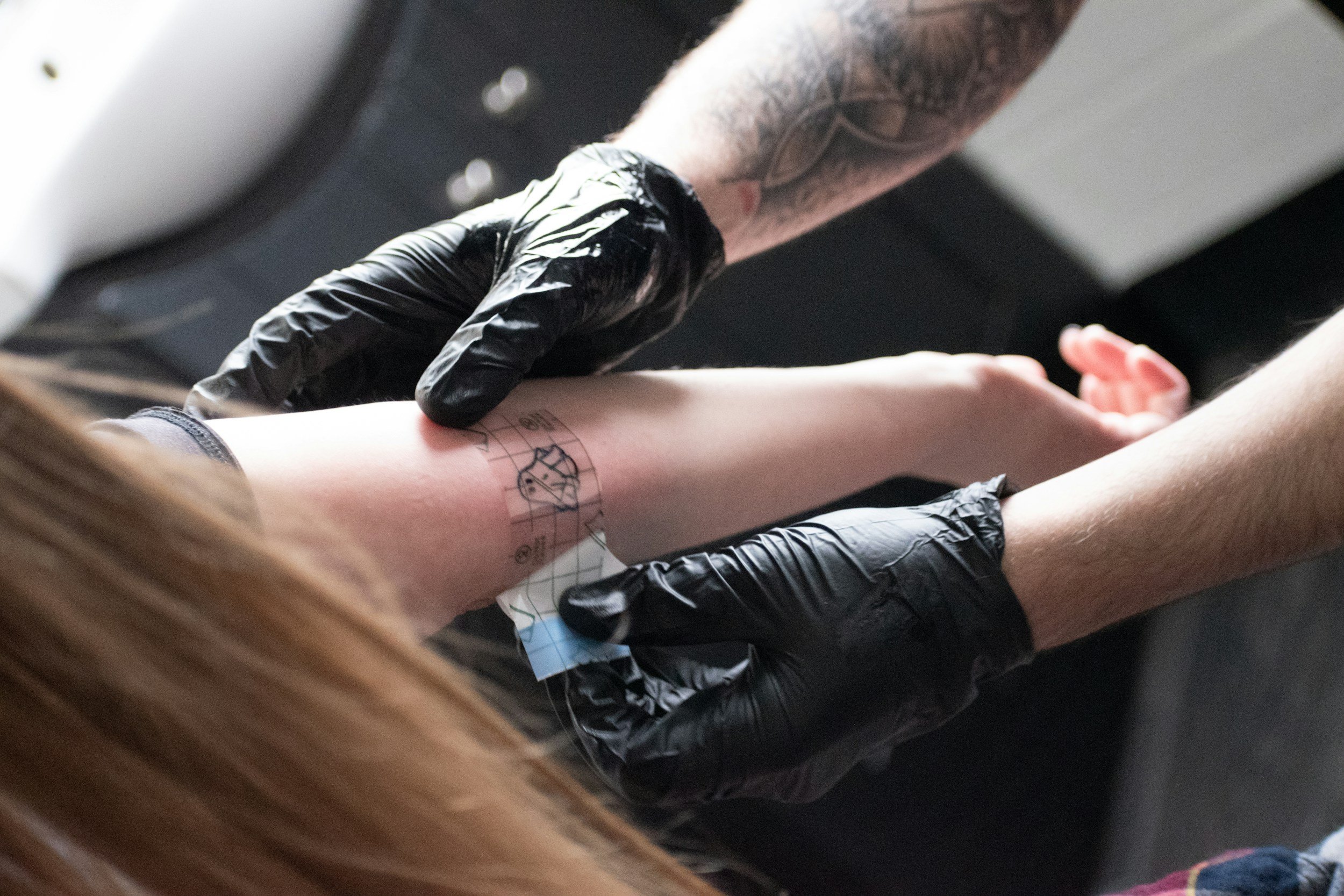
When a Tattoo Gets Infected: Why the Cause Is Usually More Complicated Than “Artist vs. Client”
Tattoo infections are often blamed entirely on either the artist or the client. But infection can be multifactorial, involving tattooing technique, tissue trauma, contaminated ink, infection control, aftercare, individual biology, and environmental exposure. Here’s why an infected tattoo alone doesn’t tell us what caused it.

Antibacterial Soap for Tattoos: What the Science Actually Says
Is antibacterial soap really better for a healing tattoo? This evidence-based review examines the FDA ruling, skin-microbiome research, cold-process bar soap, and what the science does—and does not—support.

What Does Science Actually Say About Tattoo Aftercare?
Explore what peer-reviewed research says about tattoo aftercare, including second skin, tattoo pads, sealant gels, cleansers, moisturizers and dry healing.

Do Tattoos Need to Have Meaning? A Psychologist and Tattoo Artist Explains
Do tattoos need a deep personal meaning, or is loving the artwork enough? A Japanese color tattoo artist and forensic psychologist explores symbolism, identity, aesthetic choice, and why a tattoo does not need an elaborate story to be worthwhile.
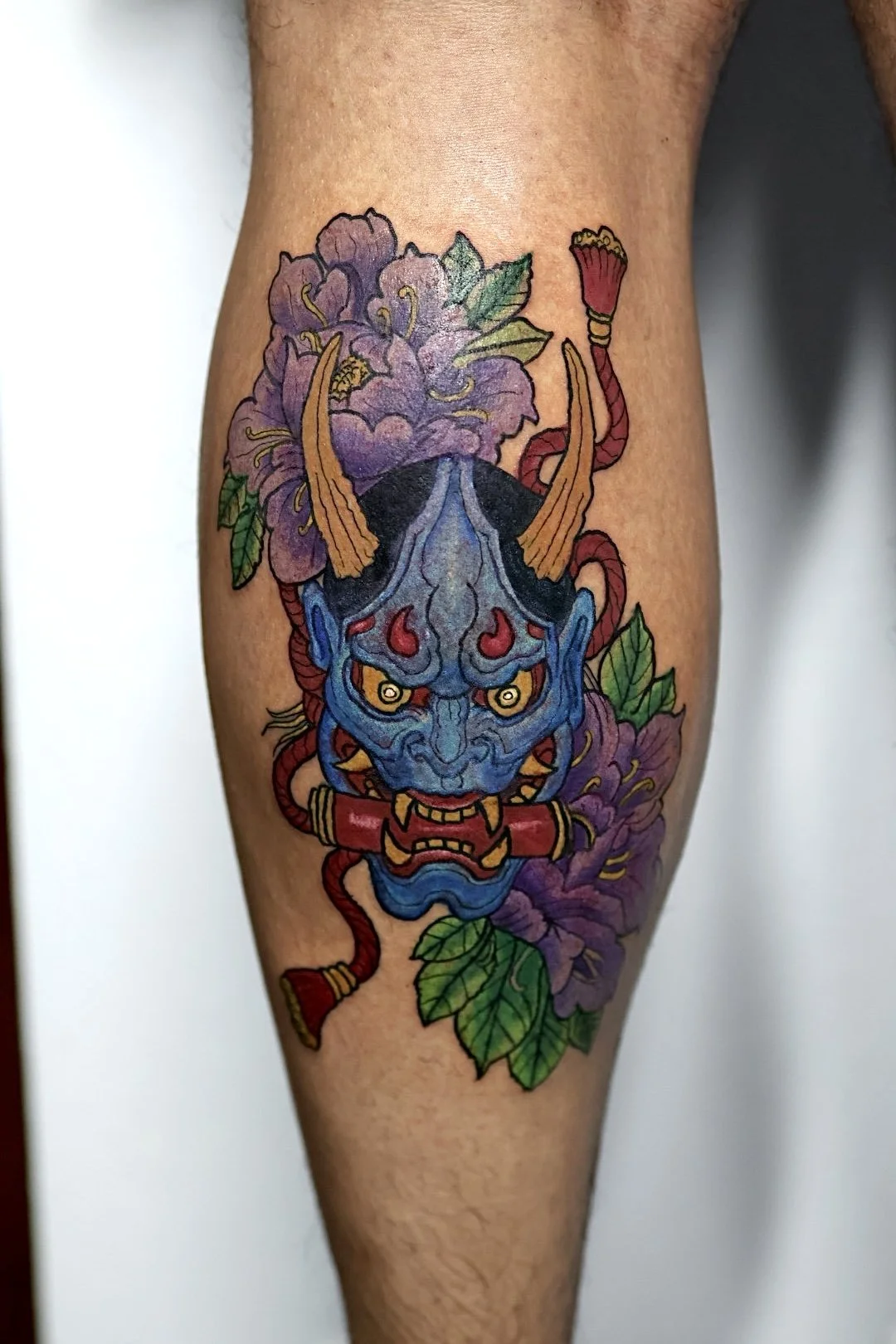
Traditional vs. Neo-Traditional Japanese Tattoos: What Is the Difference?
Traditional and neo-traditional Japanese tattoos share powerful imagery but differ in their use of linework, color, shading, detail, and composition. Learn how each style approaches Japanese tattoo subjects and how to determine which direction best fits your body and personal taste.
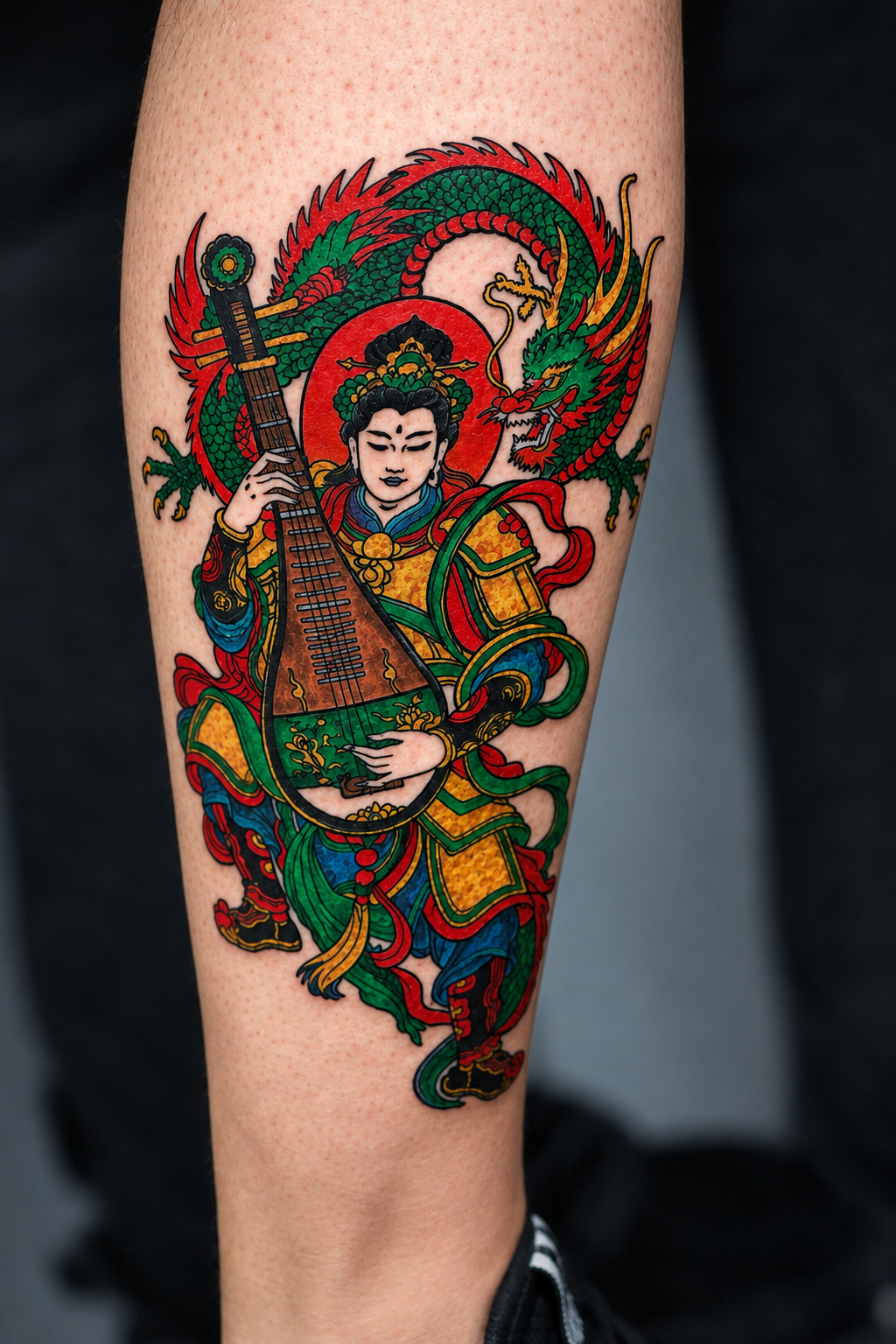
Japanese tattoo meanings and symbolism
Explore the meanings and symbolism behind Japanese tattoos, including dragons, koi fish, tigers, samurai, Hannya masks, and traditional flowers. Drawing from my experience as both a Japanese color tattoo artist and forensic psychologist, I also examine how tattoo imagery can reflect identity, resilience, transformation, and personal values.